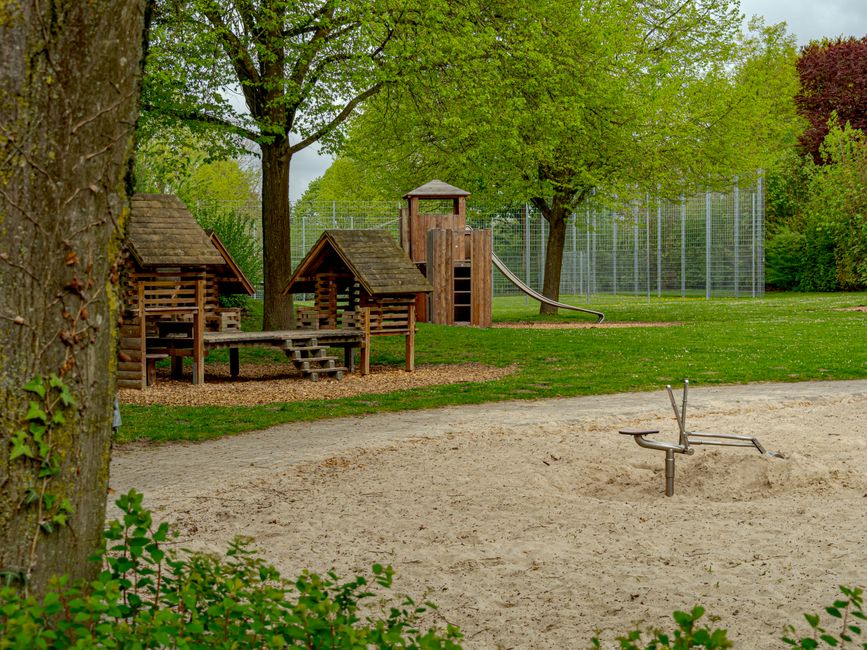
Best Plaistow Park gardeners for family friendly backyards
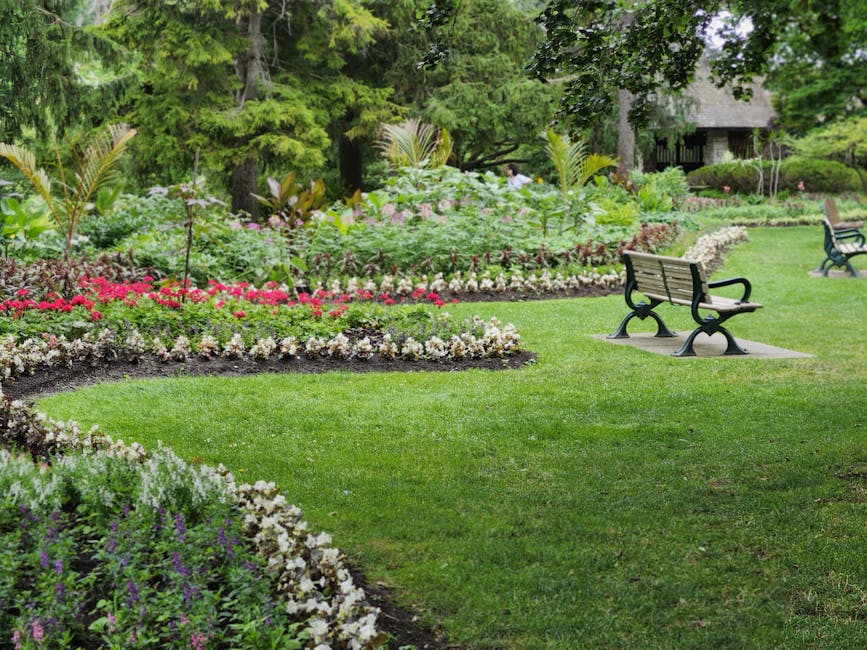
If you're trying to turn a backyard into a place where children can play safely, adults can relax, and the whole garden still looks good on a rainy Tuesday morning, you already know the challenge. The best Plaistow Park gardeners for family friendly backyards do more than mow a lawn or trim a hedge. They help shape a space that feels calm, practical, and easy to live with.
That usually means softer edges, safer surfaces, sensible planting, low-maintenance features, and a layout that works for real family life. Not the glossy magazine version. The real one, with muddy shoes, a football in the border, and a pushchair parked by the door. In this guide, you'll find how to choose the right gardener, what a family-friendly backyard actually needs, and which services matter most when you want results that last.
Why Best Plaistow Park gardeners for family friendly backyards Matters
A family-friendly backyard is really about trust. You want to step outside and feel that the space is usable, safe, and not secretly working against you. Uneven paving, sharp borders, overgrown shrubs, slippery deck boards, or a patchy lawn can quickly turn a cheerful garden into somewhere you constantly supervise. And let's face it, nobody wants to spend every weekend fixing the same little problems again and again.
Good local gardeners understand that family gardens need a different mindset from ornamental gardens. They need to be practical first. That means clear pathways, sensible planting choices, manageable upkeep, and features that hold up to ordinary life. If you're comparing options, it helps to look beyond "who can do the work" and ask "who understands how families actually use the space?"
In Plaistow Park and the wider East London area, that can matter even more because outdoor space is often compact, shared, or shaped by a mix of old and new garden layouts. A skilled team can make a modest backyard feel bigger, safer, and much easier to enjoy. You notice it in the small things: a cleaner edge, better drainage, less mess near the patio, and a layout that gives children room to move without the garden feeling chaotic.
If you want to explore the kind of support that sits behind these outcomes, the services overview is a useful place to understand how different tasks fit together. For many families, the right answer is not one big makeover. It is a thoughtful combination of maintenance, small improvements, and a few smart design choices.
How Best Plaistow Park gardeners for family friendly backyards Works
The process usually starts with a walk-through of the space. A good gardener will look at how people already use the garden, where children tend to run, where water sits after rain, what gets too much sun, and what becomes a nuisance over time. That first bit matters more than people think. It stops the work becoming guesswork.
After that, the gardener typically breaks the job into layers. There is the basic condition of the garden, then the safety concerns, then the usability improvements, and finally the visual finish. In practice, a family garden project may include lawn care, hedge shaping, border tidying, tree work, clearance, or even landscaping for a more usable layout. Sometimes decking or a better seating area is part of the answer too.
If the garden has become cluttered or difficult to manage, a garden clearance service may be the best starting point. That creates a blanker, safer base for everything else. If the main issue is ongoing upkeep rather than a one-off reset, then garden maintenance tends to be the backbone of a family-friendly outdoor space. Truth be told, it is often the less glamorous work that makes the biggest difference.
For lawns that double as play space, regular lawn mowing keeps the surface more even and usable. For boundaries that need to stay neat without becoming obtrusive, hedge trimming helps maintain light, space, and visibility. And if the garden needs a stronger structure or safer movement between zones, landscaping or landscape gardening can reshape the whole feel of the area.
When trees are blocking light, dropping too much debris, or creating risk around play areas, tree lopping and removal may also become part of the plan. That should always be handled carefully. No drama, no shortcuts.
Key Benefits and Practical Advantages
The most obvious benefit is safety, but that is only the beginning. A good family-friendly garden is one that reduces daily friction. You spend less time apologising for the state of the yard and more time actually using it. Small children can move around more freely. Older children get space to kick a ball or sit with friends. Adults get a place that feels manageable instead of demanding.
Here are the practical advantages people usually notice first:
- Better safety underfoot through even lawns, cleaner edges, and fewer trip hazards.
- Easier supervision when sightlines are improved and dense overgrowth is reduced.
- Lower maintenance stress because plants and features are chosen for realistic upkeep.
- More usable space by separating play, seating, and planting areas clearly.
- Cleaner garden routines with less mud transfer, less leaf build-up, and fewer hidden corners for mess to collect.
- Better long-term value because a garden that works well tends to stay usable longer.
There is also a quieter benefit: peace of mind. It sounds simple, maybe a bit obvious, but it matters. When you know the shed path is stable, the back step is not a worry, and the hedge is not swallowing half the light, the garden becomes somewhere you can relax rather than inspect. That shift changes family life more than people expect.
If you care about low-impact upkeep and cleaner garden waste handling, it may also be worth looking at a provider's approach to recycling and sustainability. Families often appreciate knowing that cuttings, soil, and cleared materials are handled responsibly rather than just piled into the nearest bag and forgotten.
Who This Is For and When It Makes Sense
This kind of gardening support makes sense for a wide range of households, but especially for families who want the garden to work hard without becoming high-maintenance. If you've got toddlers, primary school children, teens who want a hangout space, or grandparents who visit often, your outdoor area has to do a lot of jobs at once. That is where thoughtful garden work pays off.
It is especially useful if any of these sound familiar:
- The lawn is patchy, muddy, or full of uneven spots.
- Overgrown shrubs are making the garden feel smaller.
- You want a safer play area but don't want a "plastic playground" look.
- The garden has become cluttered after a few busy seasons.
- You need easier upkeep because time is tight. Which, for most parents, is every week.
- You are planning a move and want the outside space to feel cared for.
It also makes sense if you have started to avoid using the garden. That is often the real clue. If you can't be bothered to open the back door because the space feels messy, awkward, or unfinished, then the garden has already stopped doing its job.
For families who want a more polished layout, small structural upgrades can be helpful too. A simple decked seating area, for instance, can create a clean zone for a table, storage bench, or stroller parking. If that is on your mind, the decking services page gives a sense of how such improvements can support daily use without overcomplicating the garden.
Step-by-Step Guidance
If you are planning a family-friendly garden project, it helps to keep the sequence sensible. Rushing straight to planting before the layout is sorted often leads to regret. A bit of order saves money, time, and a fair amount of swearing later on.
- Start with a clear purpose. Decide what the garden needs most: play space, seating, storage, tidiness, privacy, or a better overall shape.
- Remove the obvious problems first. Clear debris, cut back severe overgrowth, and deal with anything unstable or blocking access.
- Check surface condition. Look at the lawn, paths, patio, and any timber features. Trip hazards and slippery areas should be dealt with early.
- Map the family zones. Think about where children play, where adults sit, and where muddy feet tend to come through the house.
- Choose practical planting. Pick low-fuss shrubs and borders that won't become a maintenance burden or a thorny hazard.
- Build in easier upkeep. Regular mowing, hedge trimming, and maintenance schedules stop the garden sliding back into chaos.
- Review the result after a few weeks. Real use tells you what works. The garden might look great on day one and then reveal a few awkward bits by week three.
A small but useful tip: take photos before any work begins. Not for vanity. For comparison. You will spot improvement more clearly, and it helps keep the project focused if several people in the household have opinions. And they usually do.
If the job requires a broader rethink of shape, access, or structure, a local team experienced in landscape gardening can help turn a vague wish list into a workable plan. That is often the point where a decent garden becomes a genuinely family-friendly one.
Expert Tips for Better Results
In our experience, the best family gardens are not the most elaborate. They are the ones with fewer weak points. Less clutter. Fewer awkward corners. Fewer places for rain to hang around. Less effort between "looks messy" and "looks sorted".
Here are a few practical tips that make a real difference:
- Keep sightlines open. If you can see most of the garden from the back door or seating area, supervision becomes easier.
- Choose rounded edges where possible. Sharp corners and brittle features are not great in a family setting.
- Don't overcrowd the planting beds. A garden can feel lush without becoming impossible to manage.
- Use tough, simple surfaces in high-traffic zones. The area by the door will always get the most abuse.
- Plan for wet weather. British gardens spend a lot of time damp. Surprise, I know.
- Make the bin and storage route easy. If moving things in and out is a hassle, the whole garden feels harder to use.
Also, ask about insurance and safety before any work starts. A professional approach should include suitable cover, sensible site practices, and a clear way of working around children, pets, and shared access. You are not being fussy. You are being sensible.
If you want reassurance on that side of things, the company's insurance and safety information and health and safety policy are worth reviewing before any project is booked.
Common Mistakes to Avoid
One of the biggest mistakes is designing for looks alone. A garden can be visually impressive and still be awkward to live with. The second biggest mistake is underestimating how quickly a family garden can fall behind if it is not set up for easy upkeep. Both mistakes are very common. Very.
Other mistakes to avoid include:
- Picking high-maintenance plants that need constant pruning or dropping messy debris.
- Ignoring drainage, especially in low spots where children naturally end up running after rain.
- Leaving hidden trip hazards such as loose paving, broken edging, or sunken patches in the lawn.
- Blocking natural light with oversized shrubs or poorly placed trees.
- Skipping a proper clearance phase and trying to build around clutter.
- Forgetting storage for toys, tools, and outdoor bits that otherwise drift everywhere.
There is also the "we'll sort that later" trap. Later has a funny habit of becoming next year. Meanwhile the hedge gets thicker, the lawn gets patchier, and the garden becomes a project you keep meaning to start. To be fair, most people are just busy. That is why a clear plan matters.
When the space needs a reset, a professional garden clearance can stop small problems piling up into one big headache.
Tools, Resources and Recommendations
You do not need a shed full of equipment to keep a family backyard in good shape, but the right tools make routine care far less painful. A decent mower, hand shears, edging tools, gloves, and a reliable way to remove clippings are the basics. For larger jobs, a team with the right machinery will save time and reduce the chance of damage.
When choosing services, the most useful thing is often clarity. Ask what is included, how waste is handled, how often maintenance is recommended, and whether the work is a one-off or part of a longer plan. That's the stuff that tells you whether a provider is thinking ahead or just turning up with a strimmer and optimism.
Useful service areas to consider include:
- lawn mowing for play-friendly grass and cleaner borders
- hedge trimming for better shape, light, and privacy balance
- garden maintenance for ongoing care that stops the garden slipping backward
- landscaping for stronger structure and easier movement around the space
- decking services for a clean, usable seating or play zone
If you want to understand the business side before you book, take a look at pricing and quotes. Clear pricing expectations are a big part of a good customer experience, especially when you're trying to compare options without getting caught in vague estimates.
Law, Compliance, Standards, or Best Practice
For family-friendly garden work, the most relevant standards are usually practical rather than dramatic. You are not typically dealing with complex regulation for a basic tidy-up, but safety, waste handling, and responsible working practices still matter. That includes avoiding unsafe access, working carefully around children and pets, and handling tree or structural work with proper caution.
Tree work deserves particular care. If branches are overhanging play areas, blocking light, or becoming unstable, a trained approach is the sensible route. That does not mean every tree needs major intervention. It simply means you should not treat tree care as an afterthought. The same applies to larger landscaping jobs where movement, levels, or drainage are being changed.
Waste disposal and recycling are another area where best practice matters. Garden waste should be managed responsibly, and cleared material should not just disappear into a mystery pile. If sustainability matters to you, ask how the team handles green waste and whether materials can be reused or recycled where appropriate.
It is also worth checking company policies if you want an extra layer of reassurance. Pages such as terms and conditions, privacy policy, and about us can help you understand how the business works and what kind of service approach you can expect. Small detail, yes. But it helps.
Options, Methods, or Comparison Table
Choosing the right approach depends on how much change the garden actually needs. Some homes only need tidy-up work and maintenance. Others need a complete rethink. Here is a simple way to compare the most common options.
| Approach | Best for | Typical outcome | Watch-outs |
|---|---|---|---|
| Routine maintenance | Gardens that are mostly fine but getting behind | Neater lawns, trimmed hedges, easier upkeep | Won't solve deeper layout or drainage issues |
| Clearance first | Overgrown, cluttered, or neglected spaces | A clean starting point for new use | Can reveal hidden repairs needed afterwards |
| Light landscaping | Families wanting better structure without a full rebuild | Improved access, usability, and flow | Needs a clear plan to avoid patchy results |
| Decking or defined hard landscaping | Homes wanting a dedicated seating or play area | Cleaner zones and better year-round use | Needs careful design so it doesn't dominate the space |
For many families, the best route is a mix. A little clearance, some maintenance, a stronger surface near the house, and an honest review of what really gets used. You do not need to reinvent everything. Sometimes the smart move is just making the garden easier to love.
Case Study or Real-World Example
Imagine a small Plaistow Park backyard used by a family with two young children and a dog. The lawn is patchy from repeated play, the side path is narrow and awkward, and the hedge has grown enough to make the garden feel shaded by late afternoon. Nothing is exactly broken, but the space is not easy to enjoy. It has that slightly tired feeling some gardens get after a few busy years.
The first phase would likely be clearance and tidy-up. Dead growth comes out, the path is cleaned up, and the lawn is assessed. Then the gardener might suggest a more regular maintenance routine, hedge trimming to open light, and perhaps a small landscaping adjustment to improve movement from the house to the main play area. If the family wants a dry sitting spot, a compact decked area could make sense.
What changes most is not just the look. It is the rhythm of daily use. Toys can be brought out and put away more easily. Parents can see most of the garden from one spot. The dog stops cutting across the same muddy patch. The space becomes less of a job and more of a place. A good garden often does that quietly, without making a fuss.
That is the real value of the best Plaistow Park gardeners for family friendly backyards: they understand how ordinary life works and shape the garden around it. Not the other way around.
Practical Checklist
Before you book any work, use this quick checklist. It keeps the decision practical and saves a lot of back-and-forth later.
- Is the main goal safety, appearance, maintenance, or all three?
- Are there any trip hazards, slippery areas, or unstable features?
- Does the garden need clearance before anything else can happen?
- Will the space be used by young children, pets, older relatives, or all of them?
- Do you need better sightlines from the house or seating area?
- Would hedge trimming, lawn care, or tree work make the biggest difference first?
- Is there a sensible place for storage, bins, toys, or tools?
- Do you want a one-off improvement or ongoing maintenance?
- Are insurance and safety arrangements clearly explained?
- Have you checked the provider's approach to waste handling and recycling?
Practical summary: the best family garden is not the fanciest one. It is the one that feels safe, simple to maintain, and easy to use on an ordinary day, whether that day is sunny, grey, or a bit of both.
Conclusion
Finding the best Plaistow Park gardeners for family friendly backyards is really about choosing people who think beyond the trim line and the finished photo. You want a gardener who understands safety, layout, maintenance, and the everyday chaos of family life. That means better decisions from the start, fewer expensive mistakes later, and a garden that actually earns its keep.
Whether your space needs a simple tidy-up, a more reliable maintenance plan, or a bigger redesign with landscaping and decking, the key is to aim for practical comfort first. Once a garden starts working well, everything else gets easier. The children play more freely. The adults relax more often. And, rather wonderfully, the whole place stops feeling like a chore.
Get a free quote today and see how much you can save.
If you're ready to take the next step, explore the available services, review the company's approach, and reach out when the timing feels right. A calmer, safer backyard is usually closer than it looks.
Frequently Asked Questions
What makes a gardener "family friendly" for backyard work?
A family-friendly gardener focuses on safe surfaces, manageable planting, clear access, good visibility, and layouts that work for children, pets, and everyday use. It is less about fancy features and more about making the space practical and comfortable.
How do I know whether my garden needs clearance or maintenance first?
If the garden is overgrown, cluttered, or hard to walk through, clearance usually comes first. If the space is already usable but needs regular upkeep, maintenance is the better starting point. In many cases, a bit of both is needed.
Can a small backyard still be family friendly?
Absolutely. Small gardens often benefit most from smart planning because every metre counts. Clear zones, simple planting, tidy edges, and a usable surface can make a compact space feel much more family focused.
Is decking a good idea for a family garden?
It can be, especially if you want a clean seating area or a dry space near the house. The key is to keep it proportionate to the garden and make sure it works alongside the lawn, planting, and movement routes.
How often should a family backyard be maintained?
That depends on planting, lawn use, and season, but regular maintenance is usually the easiest way to keep things under control. If a garden is used heavily by children or pets, it often needs more frequent attention than a decorative garden.
What should I ask before hiring a gardener in Plaistow Park?
Ask about experience with family gardens, what services are included, how waste is handled, whether insurance and safety are covered, and whether the work is a one-off or ongoing. Clear answers are a good sign.
Are trees and large hedges a problem in family backyards?
Not necessarily, but they can become a problem if they block light, shed too much debris, or create hidden corners. Proper trimming or, where appropriate, removal can improve safety and usability.
What are the biggest mistakes people make with family gardens?
The biggest mistakes are choosing high-maintenance features, ignoring drainage, leaving trip hazards in place, and designing for looks only. A garden has to work in real life, not just in theory.
Do I need a full landscape redesign to improve my garden?
No. Many family gardens improve dramatically with targeted work such as lawn care, hedge trimming, clearance, and a few layout adjustments. Full redesigns are only needed when the space is fundamentally awkward.
How can I make the garden easier to supervise?
Open up sightlines, reduce dense planting near play areas, and create a layout that lets you see most of the garden from one main spot. It sounds simple, but it changes how the space feels straight away.
What happens if the garden needs more work than expected?
That happens quite often, especially in older gardens. A sensible gardener will explain what they have found and suggest the next step, whether that is more clearance, landscaping, or a maintenance plan. No panic needed.
Where can I find more about the company before I book?
You can review the about us page for background, check services overview for the full range of options, and use contact us when you are ready to discuss your garden.