Recycling and Sustainability for Gardener Plaistow
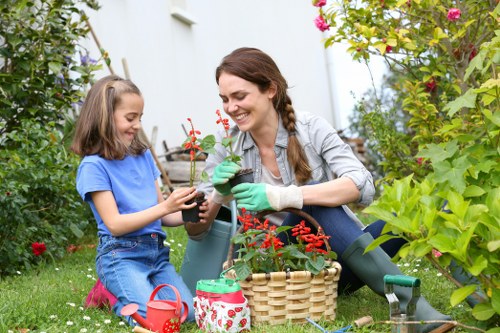 As a local Gardener Plaistow service committed to an eco-conscious approach, we prioritise an eco-friendly waste disposal area and a resilient sustainable rubbish gardening area. Our aim is to make Plaistow gardening and landscape maintenance a net benefit for the local environment by reducing waste, improving soil health, and providing clear, practical routes for reuse and recycling. Whether you are looking for a Gardener in Plaistow for regular maintenance or community planting, our practices centre on minimising carbon and maximising circular reuse of resources.
Local approach to waste separation and resource recovery
We align with the borough's kerbside separation measures — separating dry recyclables, food waste, garden waste and residual rubbish — and extend those principles into every garden we manage. Our sustainable rubbish gardening area protocols include on-site segregation of plant cuttings, compostable materials, and non-compostable debris so that less goes to landfill and more is routed to proper processing. This approach helps Plaistow gardeners and residents understand how to reduce contamination and improve the overall recycling stream.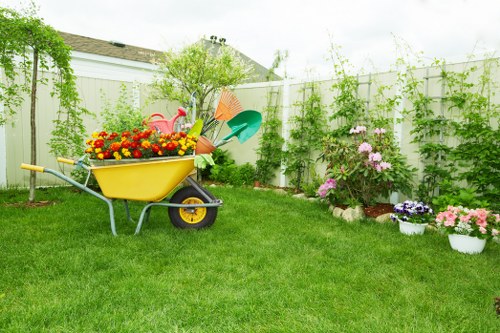 To keep targets measurable we have set a clear recycling percentage target: a 65% recycling and reuse rate by 2030 for all green waste and related materials handled through our projects. This target covers diverted garden waste, composted organic matter, and items rehomed through reuse partnerships. We work with the borough's systems to ensure glass, plastics, paper and metal are separated appropriately and that food and green waste are processed through dedicated channels at local transfer stations and civic amenity points.
Partnerships with charities and community groups
Our work as a Plaistow gardener includes active collaboration with local reuse charities, community compost hubs and social enterprises. By transferring reusable soil, potted plants, timber offcuts and gently used gardening tools to charities, we extend the life of materials and support local social value. We also coordinate regular drop-offs to clothing and furniture re-use centres and work with community gardens to redistribute compost. These partnerships are essential to transform waste into value.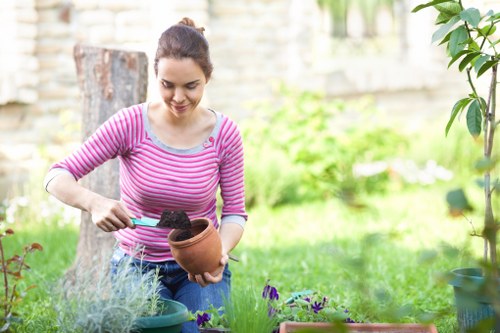 To reduce emissions from collection and transfer we operate a fleet of low-carbon vans and vehicles: a mix of electric vans, plug-in hybrids and fully electric cargo bikes for short runs. Route optimisation and load consolidation reduce mileage and emissions while ensuring waste reaches regional processing centres and local transfer stations efficiently. Our low-emission logistics policy complements the borough's climate goals and demonstrates how a gardener in Plaistow can lower operational carbon while maintaining service reliability.
Our sustainable rubbish gardening area model emphasises reuse-before-disposal: reclaiming paving slabs, re-mulching wood piles for beds, and converting woody cuttings into chipped mulch or biochar where possible. We also maintain on-site composting for accepted green waste streams, creating nutrient-rich soil amendments that reduce the need for external fertilisers. These practices increase soil organic matter and support biodiversity in planted areas across Plaistow.
Practical activities carried out by Plaistow gardeners include:
- Source-separation of green waste, food scraps, and recyclable packaging at the point of collection.
- On-site composting and curing to produce usable soil improver for gardening projects.
- Wood chipping and mulching to close local nutrient loops and protect soil moisture.
- Coordination with transfer stations and civic amenity sites for materials unsuitable for local composting.
We make use of local transfer stations and civic amenity sites across the borough and neighbouring areas to ensure materials that cannot be composted locally are processed correctly. By funneling recyclable materials through authorised transfer stations, we support proper sorting, mechanical treatment, and when appropriate, anaerobic digestion for food and certain green wastes. Our waste chain visibility allows us to report on progress toward the 65% target and to continuously refine operations.
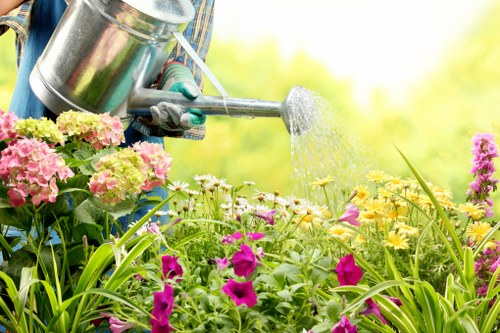 For community-scale projects and estate gardening in Plaistow, our strategy integrates volunteer planting days, material donations to charities, and the use of low-carbon vans for equipment and green waste transport. We also run seasonal events to collect bulky garden waste responsibly and to demonstrate the borough's waste separation policies — highlighting the difference between biodegradable green waste, food waste caddies, and dry-recycling streams. By making separation easy and visible, we help reduce contamination and increase diversion rates.
 In closing, our approach as a dedicated Gardener, Plaistow service is to combine practical landscaping expertise with a strong sustainability framework. We champion circular practices, aim for measurable improvement against our recycling percentage target, and rely on partnerships with charities and transfer stations to keep materials in productive use. Plaistow gardening should not be a source of unnecessary carbon or landfill — instead, it can be a driver of local resource stewardship, healthier soils and resilient neighbourhood greenspaces.