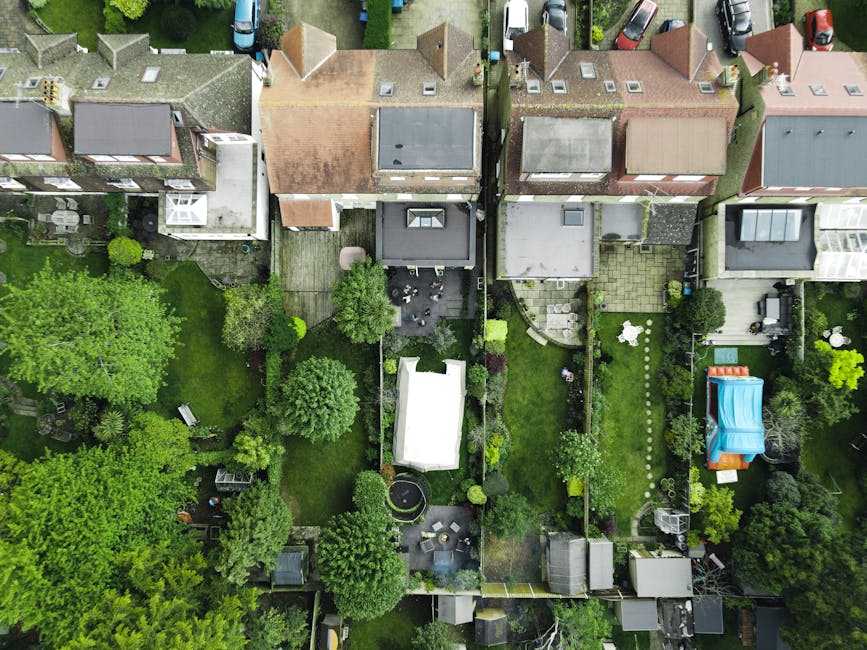
Plaistow E13 garden services guide for narrow front gardens
Narrow front gardens can look awkward at first glance. A bin has to pass through. A pram may need to turn. The hedge creeps out. The path gets muddy by November and, before you know it, the whole space feels tighter than it should. This Plaistow E13 garden services guide for narrow front gardens is here to make that kind of space easier to manage, improve, and keep tidy without wasting effort or money.
Whether you want a cleaner entrance, a safer walkway, or a front garden that simply looks more cared for, the right approach is usually not about doing more. It is about doing the right things in the right order. In Plaistow, where many homes have compact front plots, shared boundaries, and limited access, that makes a big difference.
This guide walks through what matters, how narrow-front-garden services usually work, where people go wrong, and which options tend to suit small E13 spaces best. A few practical ideas, a few honest cautions, and hopefully fewer headaches. Simple as that.
For broader service information, you can also look at the site's services overview, which helps frame the options before you decide what your garden actually needs.
Table of Contents
- Why Plaistow E13 garden services guide for narrow front gardens Matters
- How Plaistow E13 garden services guide for narrow front gardens Works
- Key Benefits and Practical Advantages
- Who This Is For and When It Makes Sense
- Step-by-Step Guidance
- Expert Tips for Better Results
- Common Mistakes to Avoid
- Tools, Resources and Recommendations
- Law, Compliance, Standards, or Best Practice
- Options, Methods, or Comparison Table
- Case Study or Real-World Example
- Practical Checklist
- Conclusion
- Frequently Asked Questions
Why Plaistow E13 garden services guide for narrow front gardens Matters
Front gardens do a lot more than sit there looking pleasant. They shape first impressions, support access, and affect how easy daily life feels. In a narrow E13 front garden, even a small improvement can change the whole experience: less clutter by the door, less slipping on mossy paving, more room to move, and a frontage that looks cared for rather than squeezed.
That matters especially in Plaistow, where some front gardens are more like slim transition spaces than full outdoor rooms. You may have a short strip with a hedge, a path, a brick wall, a tree root problem, or a patchy lawn that never quite thrives. It is not unusual. Truth be told, these gardens often need more planning than larger ones because there is less room for error.
A narrow layout can also magnify small issues. If one shrub grows too wide, you feel it immediately. If the path becomes uneven, you notice it every day. If the soil stays wet because it does not drain properly, maintenance becomes a chore rather than a quick tidy-up. That is why a focused service plan, not just occasional effort, tends to work better.
There is also a practical local factor. Front gardens in urban parts of London often have visible boundaries, tight access, and a constant need to balance appearance with function. If your garden sits close to the pavement or entrance, neatness is not cosmetic; it is part of how the home works.
Expert summary: In a narrow front garden, the best results usually come from reducing bulk, improving access, and choosing low-maintenance features that still look intentional. That is the sweet spot.
How Plaistow E13 garden services guide for narrow front gardens Works
Working on a narrow front garden is a bit different from working on a larger rear space. There is usually less room to store tools, fewer angles to work from, and more pressure to finish neatly. A good service process normally starts with a careful look at access, layout, drainage, sunlight, boundary lines, and what the space is actually being used for.
In practice, the service may involve mowing, hedge trimming, bed tidy-up, weed control, clearing leaves, cutting back overgrowth, reshaping edges, or redesigning parts of the frontage so it feels wider and easier to use. Depending on the condition of the area, it may also include garden clearance, landscaping, or smaller structural changes such as edging and surfacing.
If the front garden has become congested with growth or old materials, a clearance-first approach is often the smartest move. That can create room to see the real shape of the garden. From there, maintenance becomes easier, and the space stops fighting you every month.
For more substantial layout changes, the relevant support may sit under landscaping or landscape gardening, depending on whether the focus is construction-led, planting-led, or a mixture of both. There is a difference, and it matters more than people sometimes expect.
A narrow front garden service normally works best in stages:
- Assess the space and identify obstacles.
- Clear obvious overgrowth, debris, or dead material.
- Decide what should stay, what should go, and what should be simplified.
- Improve access, edges, and visibility.
- Set up an ongoing maintenance rhythm so the garden does not slide back.
That rhythm is important. A one-off tidy can make a space look nice for a week. A proper plan keeps it usable for months.
Key Benefits and Practical Advantages
The main benefit of narrow-front-garden services is not just appearance. It is control. Once a small garden is under control, everything gets easier: walking through it, sweeping it, mowing it, watering it, and keeping it from looking tired.
- Better access: Clear paths and tighter plant choices make the entrance easier to use every day.
- More space visually: Good pruning and simple layouts can make a narrow area feel less boxed in.
- Lower maintenance: Choosing the right surfaces and planting reduces constant trimming and weeding.
- Cleaner first impression: A tidy frontage improves the look of the whole property without needing a full redesign.
- Safer movement: Removing trip hazards, excess growth, and slippery build-up helps reduce everyday risks.
- Better seasonal resilience: Front gardens that are planned well tend to cope better with wet winters and dry spells.
There is also a quieter benefit: less mental friction. Sounds odd, maybe, but people often notice that a tidy front area makes coming home feel calmer. You are not stepping over forgotten pots or pushing past a hedge that has got a bit too confident.
For properties that need regular upkeep, garden maintenance is often the most efficient way to stay ahead of small jobs before they turn into big ones. That is especially true in a small frontage, where everything becomes visible very quickly.
Who This Is For and When It Makes Sense
This guide is useful if your front garden is narrow, awkwardly shaped, or simply hard to keep on top of. That could mean a terrace with a slim strip of soil, a semi-detached home with a tight path, or a property where the front garden has become more of a storage zone than a feature. We have all seen those spaces where one wheelie bin, one bush, and one forgotten plant pot seem to occupy the whole scene. Not ideal.
It makes sense for:
- Homeowners who want a smarter entrance without major building work.
- Landlords preparing a property for tenants or viewings.
- Older residents who need simpler upkeep and safer access.
- Busy households that do not have time for weekly gardening.
- People thinking about selling and wanting stronger kerb appeal.
- Anyone with an overgrown front strip that has started to feel cramped.
It also suits people who are unsure whether they need a tidy-up, a clearance, or a redesign. If that is you, fair enough. The answer often becomes clearer once the space is assessed properly. A front garden can look like a maintenance problem when, in fact, the best fix is a small design adjustment.
Where hedges or boundary growth are making access feel tight, hedge trimming is often the simplest and most noticeable improvement. Sometimes a light cut changes the whole feel of the frontage. Really, it can be that straightforward.
Step-by-Step Guidance
If you are approaching a narrow front garden for the first time, it helps to work methodically. Rushing usually creates extra jobs later. Here is a practical order that tends to make sense.
1. Look at the garden from the street and from the door
Stand outside and then stand at the front door. What blocks movement? What looks messy first? What is taking up space without earning its keep? This quick double-check is often more revealing than people expect.
2. Remove anything that does not belong there
Old pots, broken edging, unused bags of compost, tangled plant supports, and random timber scraps all make a narrow garden feel smaller. If the space is tight, visual clutter matters just as much as physical clutter.
3. Decide whether you need clearance or maintenance
If the space is heavily overgrown, a garden clearance may be the sensible starting point. If the garden is basically fine but scruffy, maintenance might be enough. That distinction saves money and avoids overdoing the job.
4. Tackle surfaces and edges
In a narrow garden, edges do more than people think. Clean lines around paving, lawns, or beds make the whole area appear sharper. Even a small border can stop the frontage from looking sloppy.
5. Simplify planting
Choose fewer, better-placed plants rather than lots of small ones. Compact shrubs, evergreen structure, and a restrained planting palette usually work better than a crowded mix. Less fuss. Better result.
6. Improve light and sightlines
Anything that blocks the eye can make the garden feel narrower. Keeping the centre line open, using lower planting near paths, and trimming back bulky growth can all help the space breathe a bit.
7. Set a maintenance cycle
Once the space is sorted, decide how often it needs attention. In many narrow front gardens, a light monthly or seasonal visit is enough to prevent things from slipping. If you let it go for six months, the garden often tells on you.
Expert Tips for Better Results
Small gardens reward discipline. That sounds stern, but it is true. The more limited the space, the more every decision counts.
- Keep the centre clear: A narrow route through the garden should feel easy to follow. Do not let planting or ornaments pinch the walkway.
- Use repetition: Repeating one or two plant types can make a small frontage feel calmer and more deliberate.
- Choose upright shapes: Slim, vertical planting often works better than wide, sprawling forms.
- Match the finish to the property: A front garden should suit the house style, not fight it.
- Think about wet weather: In Plaistow, a surface that looks fine in summer may turn awkward in winter. Plan for the rain, because the rain will arrive anyway.
- Keep maintenance realistic: If a design only works when you have two free hours every weekend, it is probably too ambitious.
A small practical observation: front gardens often look best when they are not trying too hard. Clean, simple, and well edged usually beats busy. Every time.
If you are considering a wider rework, the right fit may be a combination of landscaping and planting adjustments, rather than one big dramatic project. Less drama, more usability. That tends to age better.
Common Mistakes to Avoid
People often make the same few mistakes with narrow front gardens. The good news? They are fixable.
- Overplanting: Too many shrubs quickly swallow a small area and create more pruning work.
- Ignoring access: If bags, bikes, bins, or mobility needs are not considered, the garden may look good but function badly.
- Choosing high-maintenance features: Decorative features that need frequent cleaning can become a nuisance fast.
- Letting hedges get too wide: In a small garden, width is the enemy of space. A few inches can matter a lot.
- Skipping clearance first: Working around clutter and dead growth usually leads to poor decisions.
- Forgetting drainage: Soggy front gardens become messy, slippery, and hard to maintain.
Another mistake is thinking every problem needs a full redesign. Not always. Sometimes the answer is a better trim, a cleaner edge, and less stuff in the way. The simplest fix is often the right one, which is mildly annoying if you have been imagining a grand transformation.
If trees are involved, even at a small scale, they need proper judgement. A branch that hangs low or a crown that shades the whole frontage may be worth reviewing through tree lopping and removal, but only where appropriate and with care. Trees are not to be bullied, in other words.
Tools, Resources and Recommendations
For narrow front gardens, the best tools are usually the ones that let you work neatly and control waste. Large tools are not always better. In fact, they can be clumsy in tight spaces.
Useful items include:
- Hand shears for precise trimming.
- A compact hedge trimmer for controlled shaping.
- A light lawn mower for small front lawns.
- A stiff broom or leaf rake for regular sweeping.
- Spade, fork, and edging tools for border definition.
- Gloves, goggles, and sturdy footwear for basic safety.
In a narrow frontage, tools that help with tidying and repetitive upkeep are often more valuable than heavy-duty equipment. If the space has already become cluttered or filled with old growth, starting with a clearance visit is usually the most practical route. That gives you a clean slate, which, to be fair, is half the battle.
For homeowners who want recurring help rather than a one-off tidy, a maintenance plan can be more sensible than repeatedly booking ad hoc jobs. The important part is not the label. It is whether the schedule fits the garden's actual needs.
You may also want to think about sustainability. Reuse, composting where suitable, and sensible green waste handling can all reduce unnecessary disposal. The site's recycling and sustainability page reflects that kind of responsible approach.
Law, Compliance, Standards, or Best Practice
For most front-garden work, the practical concern is less about heavy regulation and more about doing the job safely and responsibly. That said, there are still normal UK expectations worth respecting.
If work affects boundaries, shared access, trees, or neighbouring properties, it is wise to proceed carefully and communicate clearly. You do not want a tidy-up turning into a boundary dispute over a hedge line. Those conversations are rarely anyone's favourite.
From a best-practice point of view:
- Keep pathways free from trip hazards.
- Use appropriate tools for the task and space.
- Manage waste properly rather than dumping cuttings or soil.
- Be cautious around utilities, tree roots, walls, and fences.
- Use insured, safety-conscious contractors for higher-risk tasks.
For larger or more complex jobs, especially those involving tree work or significant changes to the layout, proper risk awareness matters. A reputable provider should be clear about safety procedures, insurance, and how they handle the work. If you want to understand those standards better, it is sensible to review insurance and safety and the health and safety policy.
There is also value in knowing how quotes, deposits, and payment handling are managed. Even for smaller jobs, transparent pricing and clear terms help avoid awkward surprises. The site's payment and security page and terms and conditions support that expectation.
Options, Methods, or Comparison Table
Different front gardens need different levels of input. Here is a simple comparison that may help you judge which route fits best.
| Option | Best for | Typical outcome | Main trade-off |
|---|---|---|---|
| Light tidy and trim | Gardens that are mostly under control | Cleaner appearance, sharper edges, better access | Does not solve underlying layout problems |
| Regular maintenance | Front gardens that quickly get messy again | Consistent appearance and fewer overgrowth issues | Needs ongoing visits |
| Clearance first | Overgrown or cluttered spaces | Restores visibility and creates a fresh start | More work upfront |
| Landscaping or redesign | Gardens with poor flow, drainage, or layout | Improved function and a more usable frontage | Higher planning and cost commitment |
| Combined approach | Gardens needing both structure and upkeep | Balanced improvement with long-term control | Requires a more considered plan |
If your garden feels both messy and awkward, a combination often works best. Clear it, simplify it, then maintain it. That sequence keeps things sensible.
For anyone comparing service types across a broader home and garden plan, the main services overview can help you see how different jobs relate to one another without overcomplicating the choice.
Case Study or Real-World Example
Picture a typical Plaistow front garden: a narrow strip beside a path, a hedge that has drifted outward over time, and a small lawn patch with patchy edges. Nothing dramatic. Just a space that feels busier than it should.
At first glance, the owner thinks the lawn is the main issue. But once the area is looked at properly, the real problem is the hedge width, the lack of clean edging, and a few old items left near the entrance. The lawn is not the villain. It is just sitting there getting blamed.
The work starts with clearance. Loose waste goes. The hedge is trimmed back to restore width. Edges are redefined so the path feels clearer. The lawn is cut neatly, then the planting is simplified so there is less crowding near the front step. No grand redesign. Just tidy, careful decisions.
After that, maintenance becomes easy enough to keep up with. The frontage looks more open from the street, the route to the door feels less compressed, and the homeowner no longer dreads the weekly view from the pavement. Small changes, real difference.
This is the kind of result narrow front gardens often need. Not perfection. Just calm, usable order.
Practical Checklist
Use this checklist before booking work or starting a tidy-up yourself.
- Check what is blocking access or making the garden feel narrow.
- Decide whether clearance, maintenance, or redesign is the main need.
- Look for hedges or shrubs that are taking up too much width.
- Inspect paving, edges, and paths for slipperiness or trip points.
- Review drainage and areas that stay wet after rain.
- Remove clutter, broken items, and anything no longer useful.
- Keep planting simple and manageable.
- Think about how often the space will realistically be maintained.
- Consider whether trees, roots, fences, or walls need special care.
- Confirm pricing, safety, and expectations before work begins.
If a few boxes are ticking in your head right now, that is normal. Most narrow front gardens need a little strategy, not a lot of drama.
Conclusion
Narrow front gardens in Plaistow E13 can be tricky, but they are rarely beyond help. The best approach is usually practical rather than flashy: clear what is cluttering the space, trim back what is overreaching, keep paths open, and choose low-maintenance features that make everyday life easier. Done well, a small frontage can look calm, tidy, and welcoming without demanding constant work.
What really matters is matching the service to the problem. Some gardens need simple maintenance. Others need clearance first. A few need a smarter layout so the space finally works with the house instead of against it. Once you understand that, decisions become much easier.
If you are unsure where to start, look at the space with fresh eyes, or ask for a proper assessment rather than guessing. That alone can save time, effort, and a fair bit of frustration.
Get a free quote today and see how much you can save.
There is something reassuring about a front garden that just works. Quietly, day after day.
Frequently Asked Questions
What is the best way to improve a narrow front garden in Plaistow E13?
The best approach is usually to simplify the space first. Clear clutter, trim back overgrowth, sharpen edges, and keep the centre line open. Once the garden is easy to move through, any further improvements become much more effective.
Do narrow front gardens need different services than larger gardens?
Yes, they often do. Narrow gardens need more precise trimming, better access planning, and a stronger focus on low-maintenance design. Big tools and busy layouts can make a small frontage feel even smaller.
Should I book garden clearance or maintenance first?
If the garden is heavily overgrown, clearance usually comes first. If it is already in decent shape but needs regular upkeep, maintenance may be enough. A quick assessment normally makes the answer obvious.
How often should a narrow front garden be maintained?
That depends on the planting and the season, but many narrow front gardens benefit from regular light upkeep rather than occasional big jobs. Small, frequent visits often keep them looking much better with less effort.
Can a narrow front garden still look attractive without much planting?
Absolutely. Good edging, tidy paving, clean lines, and a restrained planting scheme can look very smart. In a small space, less can genuinely be more.
What makes a front garden feel wider?
Open sightlines, slim planting, controlled hedge width, and clear paths all help. Reducing visual clutter also makes a big difference. The eye needs somewhere easy to go.
Are lawns a good idea for narrow front gardens?
Sometimes, but not always. Small lawns can work if the light is decent and access is simple. In some narrow spaces, hardier surfaces or planting beds may be more practical and easier to keep tidy.
What should I do if my hedge is taking over the frontage?
Professional hedge trimming is usually the best place to start. A controlled cut can restore width, improve light, and make the entrance feel less boxed in. Left alone too long, hedges have a habit of becoming overly enthusiastic.
Is landscaping worth it for a very small front garden?
It can be, especially if the current layout is awkward or the drainage is poor. Even small design changes can improve access and reduce maintenance. The key is to keep the plan proportionate to the space.
How do I know if my narrow front garden needs redesigning?
If the space is always difficult to walk through, constantly wet, visually cramped, or expensive to keep tidy, redesign may be worthwhile. When simple maintenance never seems to solve the same problems, a layout change is often the better long-term answer.
Can tree work be part of narrow front garden improvement?
Yes, if trees are blocking light, creating access issues, or affecting the shape of the frontage. Any tree work should be handled carefully and with the right judgement, because roots and branches can affect nearby walls, paths, and planting.
Where can I learn more about related garden services?
It helps to start with the site's main services overview and then compare it with specific pages for maintenance, clearance, hedge trimming, landscaping, and lawn care. That gives you a clearer picture of what fits your garden best.