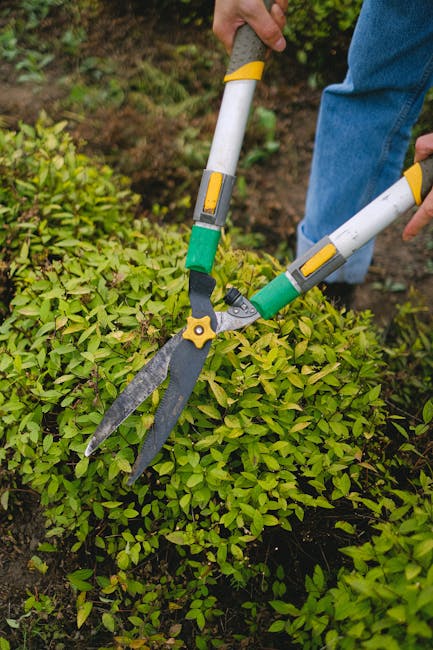
Upton Park Road gardeners for clearance and planting in Plaistow
If your garden on or near Upton Park Road has become a bit unruly, you are not alone. Between busy weeks, changing weather, and the usual London squeeze for space, even a small outdoor area can tip from tidy to tangled surprisingly fast. That is where Upton Park Road gardeners for clearance and planting in Plaistow can make a proper difference. The right team can clear away the mess, open up the space, and turn it into something that actually feels usable again.
Maybe you have inherited an overgrown front garden. Maybe the back space is full of cuttings, broken pots, tired shrubs, and soil that no longer works for what you want. Or perhaps you just want fresh planting that looks good, survives the conditions, and does not demand constant fuss. This guide walks through how clearance and planting work together, what to expect, what to avoid, and how to make sensible choices for a garden in Plaistow.
Along the way, we will look at the practical side too: timing, planning, waste removal, replanting, and the small details that separate a rushed job from one that genuinely improves the property. Truth be told, the best results usually come from doing a few things carefully, not everything at once.
Why Upton Park Road gardeners for clearance and planting in Plaistow matters
A garden is not just decorative. In a dense area like Plaistow, it can be a genuinely useful part of the home: a place for light, privacy, drying clothes, growing herbs, or just stepping outside with a cup of tea and breathing for a minute. When a garden gets overwhelmed, it starts to work against the house instead of for it.
Clearance matters because overgrown or cluttered gardens often hide problems. You may find dead growth, self-seeded weeds, compacted soil, broken edging, or old materials left under vegetation. Clearing it properly creates a clean starting point. Planting matters because a blank garden is not automatically a better garden. If you leave the space stripped back without a plan, it can quickly feel bare, exposed, and harder to maintain.
That is why clearance and planting should be seen as one connected job. First you assess what needs removing, then you decide what should stay, and only then do you introduce new planting that suits the soil, light, and day-to-day use of the space. It sounds simple. Sometimes it is. Sometimes not so much.
On Upton Park Road, where properties can vary from compact terraces to homes with awkward side returns and mixed light levels, local experience matters. A gardener who understands typical London garden conditions is more likely to recommend realistic planting rather than a romantic but doomed scheme that collapses after the first dry spell.
For a broader look at what a local team can cover, it is worth browsing the full services overview and the dedicated garden clearance service pages. If you want to understand how routine upkeep fits in after the main work, the garden maintenance service is the natural follow-on.
How Upton Park Road gardeners for clearance and planting in Plaistow works
The process is usually more methodical than people expect. A good gardener does not simply arrive, cut everything back, and then dump a few shrubs in the ground. That might look like progress for a day, but it rarely lasts.
Most projects begin with a walk-through and a quick assessment. The gardener will look at access, soil condition, existing plants, signs of disease, drainage issues, and what level of clearance is actually needed. From there, they can decide whether the work is mainly tidy-up clearance, heavy clearance, or a clearance-and-rebuild style job.
Once the space has been cleared, the next stage is preparation. This could include raking, digging out roots, removing debris, improving the soil, or shaping beds so the new plants have a decent chance of settling in. If there are hedges, awkward woody sections, or old growth around boundaries, more precise work may be needed first. In some cases, a service such as hedge trimming helps create structure before planting starts.
Then comes planting. This should be based on light, soil, seasonal conditions, and the amount of care you want to give the garden later. A low-maintenance front garden, for example, needs a different plant mix from a family back garden where flowers, herbs, and a softer look are the priority. A sensible gardener will also think about mature size. Nobody wants a lovely border that becomes a jungle in six months. Well, unless you enjoy that sort of thing, which some people absolutely do.
Where bigger changes are needed, the work may overlap with wider landscape gardening or even full landscaping. That is especially useful if clearance reveals a layout problem, not just an overgrown surface.
Key benefits and practical advantages
The obvious benefit is a cleaner, better-looking garden. But the real value goes deeper than that.
- Better use of space: clearance opens up areas that were hidden, blocked, or simply impossible to enjoy.
- Healthier planting conditions: clearing debris and improving soil helps new plants establish properly.
- Lower long-term maintenance: choosing the right plants and layout reduces endless weekend trimming.
- Improved kerb appeal: front gardens matter, especially on a street where first impressions count.
- Less risk of pest harbourage: neglected piles, damp cuttings, and dense overgrowth can create problems.
- More sunlight and airflow: a cleared space often dries faster and feels more open.
There is also a mental benefit people often underestimate. A garden that feels sorted gives the whole property a calmer feel. You notice it when you open the door in the morning, or when evening light falls across a newly planted border and suddenly the place feels alive again. Small thing, but it matters.
Another practical gain is that a good planting plan can reduce future conflict between plants, paths, fences, and outbuildings. In a compact urban garden, spacing and root behaviour matter more than people think. Get that right and you avoid endless repairs later. Get it wrong and the job becomes a series of little annoyances.
Who this is for and when it makes sense
This kind of work suits a wide range of homeowners and landlords. It is not only for people with visibly neglected gardens, although that is obviously a common trigger.
You might need clearance and planting if:
- you have just moved in and the garden needs a reset
- you are preparing a property for sale or letting
- the garden has become overgrown after a long winter or a busy year
- you want to replace tired, patchy planting with something more manageable
- you have building work behind you and want the garden restored afterwards
- you have a front garden that needs structure, colour, and better definition
It also makes sense if your existing garden design is technically tidy but not working in practice. Maybe the plants are too thirsty. Maybe the border is in the wrong place. Maybe every bit of rain makes the path muddy. These are the sort of things that are easy to live with for a while, then one day they are not.
If you are weighing up whether to focus on clearance alone or combine it with planting, ask yourself a simple question: do you want the garden to just look better for now, or do you want it to work better over time? That answer usually decides the route.
Step-by-step guidance
Here is a practical way to approach the job without overcomplicating it.
- Walk the garden properly. Note what is dead, diseased, broken, overcrowded, or simply in the wrong place. Look at both the front and back areas, plus side paths if they exist.
- Separate keepers from removals. Some shrubs, climbers, or perennials may still have value. A careful gardener will preserve what can be revived instead of stripping everything out.
- Clear the waste. Remove cuttings, litter, old pots, roots, and any loose debris. If you are using a service that handles clearance, make sure disposal is part of the plan.
- Assess the soil. Even without fancy testing, a gardener can usually tell if the soil is heavy, dry, compacted, or low in organic matter. That affects plant choice straight away.
- Decide the planting goal. Do you want colour, privacy, screening, wildlife value, or low maintenance? Pick the main goal first. Trying to do all of them with no compromise is where people get into trouble.
- Choose plants that suit the site. Shade, sun, wind, and drainage all matter. So does how often you are prepared to water.
- Prepare the beds. Shape edges, loosen compacted soil, and add compost or other organic matter where appropriate.
- Plant with spacing in mind. Leave room for growth. That extra gap looks generous at first and sensible later.
- Finish with mulch and watering. A mulch layer helps retain moisture and suppress weeds. Water in thoroughly, then check again over the following days.
- Set a follow-up plan. New planting almost always needs some early attention. A quick maintenance visit can make all the difference.
For lawns that need attention before or after clearance, a specialist lawn mowing service can help bring the whole space into balance. And if you have old, risky trees or heavy woody growth in the way, tree lopping and removal may be part of the solution, though it should be handled carefully and only where appropriate.
Expert tips for better results
In practice, the best planting plans are rarely the fanciest. They are the ones that match the garden's conditions and the owner's actual habits. That is the honest bit people sometimes skip.
1. Start with structure before colour. A border needs bones. Think evergreen shrubs, grasses, or a few reliable anchor plants before adding seasonal colour.
2. Group plants by need. If one corner is dry and sunny while another stays damp and shaded, do not force the same plants into both spaces. They will complain, quietly at first, then dramatically.
3. Use clearance to solve access problems. If a section is impossible to reach now, future maintenance becomes a chore. Clear it in a way that keeps paths and edges usable.
4. Think about growth over time. A plant that looks neat in week one can become a monster by month twelve. Mature spread matters more than pot size in the nursery.
5. Keep a little emptiness. A crowded garden feels busy but not always better. Negative space makes planting look intentional.
6. Revisit after the first rain. This sounds small, but it is often the moment a layout proves itself. You see pooling water, leaning stems, or soil settling. Then you can adjust.
One practical note: if the garden smells earthy and slightly damp after clearance, that is usually a good sign. If it smells stale or swampy, drainage or rot may need addressing before new planting goes in.
Common mistakes to avoid
Garden clearance and planting can go wrong in ways that are not dramatic, just expensive and annoying. A few mistakes show up over and over.
- Removing too much too quickly: cutting everything back can leave you with erosion, exposed soil, or no structure.
- Planting before assessing light: a sun-loving plant in deep shade is a slow disappointment.
- Ignoring root systems: old roots can resprout or interfere with new planting.
- Overcrowding borders: packed planting looks full on day one, then becomes a maintenance headache.
- Skipping soil prep: poor soil almost always shows up later, usually just after you thought the job was finished.
- Forgetting disposal: tidy planting and a pile of waste on the drive do not feel like a proper finish.
- Choosing plants for looks only: pretty is good. Suitable is better.
A common one, and easy to miss, is not planning for how the garden will be maintained after the job. If you do not want high upkeep, say so early. A very glamorous planting scheme that needs weekly fuss is not a good fit for everyone. To be fair, life is busy enough already.
Tools, resources and recommendations
Homeowners do not need specialist equipment to understand the basics, but it helps to know what a professional team is likely to use.
| Task | Typical tools or materials | What to look for |
|---|---|---|
| Clearance | Shears, loppers, spades, bags, wheelbarrow, protective gloves | Safe removal, tidy waste handling, no damage to retained plants |
| Soil preparation | Forks, compost, mulch, topsoil, rakes | Soil loosened and improved, not just skimmed over |
| Planting | Hand trowels, watering can or hose, stakes where needed | Correct depth, proper spacing, settled roots |
| Aftercare | Mulch, water, secateurs, feed where appropriate | Clear plan for the first few weeks after planting |
If you are comparing broader service options, the pages on garden maintenance, landscape gardening, and recycling and sustainability are useful because they show how the work can continue after the initial tidy-up. That matters more than people think. A garden is not a one-off event; it is more like a relationship. Slightly annoying, sometimes wonderful.
For pricing and scope questions, the pricing and quotes page is a sensible place to start. And if you want to know more about the team's working standards, insurance and safety and health and safety policy are the trust-building pages to review.
Law, compliance and best practice
For most domestic garden jobs, the main compliance concerns are practical rather than complicated. Waste must be handled responsibly, plants and materials should be disposed of correctly, and work should be carried out safely. If tree work, larger removals, or heavy cutting is involved, it is wise to check whether any local restrictions, ownership boundaries, or safety considerations apply before work starts. That is especially true near boundaries, shared access points, and neighbouring properties.
In a London setting, courtesy matters almost as much as the work itself. Keeping paths clear, avoiding noise at unsociable times, and preventing debris from blowing onto neighbours' property are all part of good practice. If access is tight, which it often is, careful staging makes life easier for everyone. Nobody wants a neat border at the expense of someone else's front step being covered in clippings.
Responsible disposal is also important. Green waste should be dealt with in line with normal best practice, and a reputable team should be able to explain how they handle it. If sustainability matters to you, ask how material is sorted, reused, recycled, or removed. The answers are usually telling.
Finally, good best practice means clear communication. You should know what is being removed, what is being planted, what aftercare is expected, and whether any follow-up is recommended. A vague job plan is rarely a good sign. Clear is better.
Options, methods and comparison
There is more than one way to approach a tired garden. The right method depends on condition, budget, and how much change you want.
| Approach | Best for | Pros | Watch-outs |
|---|---|---|---|
| Light clearance and refresh | Gardens that are mostly tidy but need a reset | Fast, lower disruption, easier to maintain | May not solve deeper soil or layout issues |
| Full clearance and replanting | Overgrown, cluttered, or poorly planned spaces | Clean start, better structure, more flexible design | More work upfront, needs stronger aftercare |
| Clearance plus maintenance plan | Owners who want long-term control | Keeps things manageable over time | Requires ongoing commitment |
| Clearance plus landscaping | Spaces with layout problems or hard surfaces needing change | Can transform usability and appearance | Usually a bigger project with more planning |
If the garden is simply messy, a straightforward clearance and planting refresh might be enough. If the space has drainage trouble, poor access, or awkward hard edges, a more structural approach may be better. There is no prize for choosing the biggest job. The smart choice is the one that fits the actual garden.
Case study or real-world example
Consider a typical Plaistow terrace garden with a narrow rear space, a patchy lawn, a few tired shrubs, and some years' worth of cuttings tucked in the corners. The homeowner wants it to feel calmer, greener, and less of a burden. Not a complete garden makeover, just something manageable and pleasant.
A sensible approach would begin with clearing the dead material, cutting back the overgrowth, and removing anything that no longer serves the space. A patch of lawn may be retained if it still has life, or replaced with a simpler planting scheme if it is beyond saving. The beds could then be redefined, soil improved, and a mix of reliable shrubs, shade-tolerant plants, and a few seasonal colour points added for warmth.
What changes most in these jobs is not only the appearance but the feeling of the space. The garden stops looking like a task and starts looking like a place. That sounds a bit sentimental, maybe, but anyone who has stood at the back door on a bright Saturday morning and thought, "Right, we can work with this now," will know the feeling.
In a real-world sense, that is the goal: a garden that is easier to live with, easier to keep, and much nicer to step into.
Practical checklist
Use this before booking or beginning work.
- Identify what needs removing and what should stay
- Check whether the garden needs clearance only or clearance plus planting
- Think about light levels, drainage, and soil condition
- Decide whether you want low maintenance or a more ornamental finish
- Confirm how waste will be handled
- Ask what aftercare the new planting will need
- Review whether hedge, tree, or lawn work should be included
- Make sure access, parking, and entry are practical for the team
- Ask for clear expectations on timing and scope
- Consider a follow-up maintenance plan so the work lasts
If you are unsure where to begin, start with the most neglected part of the garden first. That usually reveals the rest.
Conclusion
Upton Park Road gardeners for clearance and planting in Plaistow can do more than tidy a garden. Done properly, the work restores order, improves how the space functions, and gives you something you can actually enjoy again. The key is to treat clearance and planting as one joined-up job: remove what is holding the space back, prepare it properly, then introduce planting that suits the site and your life.
That is the difference between a quick tidy and a garden that feels genuinely renewed. And in a busy part of London, that bit of calm outside the door can mean a lot.
If you are ready to get the garden back under control, explore the local service options, think through the outcome you want, and take the next step with confidence.
Get a free quote today and see how much you can save.
Frequently Asked Questions
What do Upton Park Road gardeners for clearance and planting in Plaistow usually include?
They typically handle removal of overgrowth, dead plants, weeds, loose debris, and then prepare the area for new planting. Depending on the garden, the job may also include soil improvement, edging, mulching, and follow-up advice.
Can clearance and planting be done in one visit?
Yes, often they can, but only if the garden condition and the scope of planting allow it. Heavily overgrown spaces may need a first clearance stage before planting begins properly. Rushing both together can lead to messy results.
Is this suitable for a small front garden?
Absolutely. In fact, small gardens often benefit the most because every square metre counts. A neat planting plan can make a modest front space feel much more open and intentional.
What if my garden has a lot of roots and old woody growth?
That may need extra clearing, careful cutting, or removal of stubborn root systems before replanting. In some cases, specialist work such as tree-related removal may be part of the broader plan.
How do I know what plants will survive in my garden?
Look at sun, shade, drainage, and how much time you want to spend watering. A good gardener will recommend plants that match those conditions rather than forcing a one-size-fits-all list.
Do I need full landscaping, or just clearance and planting?
If the problem is mainly overgrowth and tired planting, a clearance-and-planting project may be enough. If the layout, levels, paths, or hard surfaces also need work, landscaping may be the better fit.
How often will newly planted areas need attention?
New planting usually needs more care in the first few weeks, especially watering and checking for settling. After that, the amount of maintenance depends on plant choice and season. A follow-up visit can be very helpful.
What should I do before the gardeners arrive?
Clear access where you can, move valuables or delicate pots, and make a quick note of any plants or features you want to keep. It also helps to be clear about your priorities: tidy, low maintenance, wildlife-friendly, or ornamental.
How do I avoid spending money on the wrong plants?
Focus on the garden's actual conditions rather than the look of the plants alone. A plant that suits the light and soil will usually outlast a prettier one that does not. Sounds obvious, but it gets missed a lot.
Can you combine this with hedge or lawn work?
Yes, and that often makes sense. Clearance and planting look much better when the surrounding edges are trimmed and the lawn is in reasonable shape. Services like hedge trimming and lawn mowing can help finish the picture.
Is sustainability something to ask about?
Definitely. If you care about waste handling and sensible reuse, ask how cuttings and removed material are dealt with. A responsible approach to recycling and sustainability is part of good modern garden work.
How do I choose a trustworthy local gardener?
Look for clear communication, a sensible scope, proper safety practices, and a transparent approach to pricing and work standards. It also helps to review pages such as about the company, safety, and terms so you know what to expect.
Sometimes the best garden projects start with a simple decision: clear the clutter, give the soil a chance, and let the space breathe again. That is usually where the real change begins.